
Table of Contents
- Why North Queensland's Climate Demands Different Fabrics
- Breathable Fabrics for Hot Weather: What Actually Works
- Best Fabrics for North Queensland: A Comparison
- Styling Formal Wear for Tropical Events
- How to Care for Linen and Silk in Tropical Heat
- UV Protection and Fabric Longevity in the Tropics
- Sustainable and Local Fabric Choices
- Frequently Asked Questions
Last Updated: September 14, 2026
Why North Queensland's Climate Demands Different Fabrics
Walk into any wardrobe here and you will find the same quiet casualties: a silk blouse that clings within minutes, a polyester dress that turns clammy by mid-morning. Choosing the best fabrics for North Queensland is not a style preference. It is a practical decision about comfort, and it starts with understanding how heat and humidity interact with fibre.
At Red Hill Collective, we see this play out every week with clients preparing for weddings, race days and long summer functions. The fabric that feels lovely in an air-conditioned change room often fails the moment you step outside.
Two things drive performance in the tropics: how well a fibre moves moisture away from skin, and how much air it lets through. Natural fibres such as linen and cotton excel at both. Most synthetics trap heat unless they are engineered specifically for moisture-wicking.
That distinction shapes everything below, from formal wear to everyday pieces.
Breathable Fabrics for Hot Weather: What Actually Works
Breathable fabric is any textile that allows air to pass through its structure and move moisture away from the body. Linen, cotton, and viscose lead the field; dense synthetics lag unless specially treated.
Linen remains the benchmark. It absorbs moisture quickly, dries fast, and its hollow fibre structure lets air circulate. Cotton lawn is a close second, lighter and smoother than standard cotton. Viscose drapes beautifully but loses strength when wet, so it suits tops more than fitted trousers. Merino wool, surprisingly, performs well in warmth because it regulates temperature and resists odour.
The catch with all natural fibres is creasing. Linen wrinkles. That is the trade-off for comfort, and in this climate it is worth accepting.
Natural vs Synthetic Fibres in Humidity
Natural fibres absorb moisture and release it into the air. Synthetics like polyester and nylon repel water, which sounds useful until you realise it means sweat sits on your skin. For humidity, natural wins nearly every time.
The exception is engineered performance fabric, where fibres are spun to wick moisture actively. These work for activewear but rarely suit formal occasions.
Understanding Fabric Weight and Weave
Fabric weight is measured in grams per square metre (GSM). Lightweight fabrics under roughly 150 GSM suit tropical heat; heavier weaves trap warmth. Weave matters too: an open weave breathes, a tight one blocks airflow. Poplin and voile are open and airy; twill and satin are denser and warmer.
Best Fabrics for North Queensland: A Comparison
The best fabrics for North Queensland balance breathability, moisture management and drape. Linen tops the list for everyday and formal wear, followed closely by cotton blends and viscose.
| Fabric | Breathability | Moisture-Wicking | Best For | Watch Out For |
|---|---|---|---|---|
| Linen | Excellent | Excellent | Pants, tops, event wear | Creases easily |
| Cotton lawn | Very good | Good | Shirts, dresses | Wrinkles, slower drying |
| Viscose | Good | Moderate | Flowing tops, dresses | Weak when wet |
| Silk | Moderate | Moderate | Evening pieces | Stains, needs gentle care |
| Merino wool | Good | Excellent | Lightweight layers | Higher cost |
| Stretch velvet | Low | Low | Cooler evening events | Traps heat outdoors |
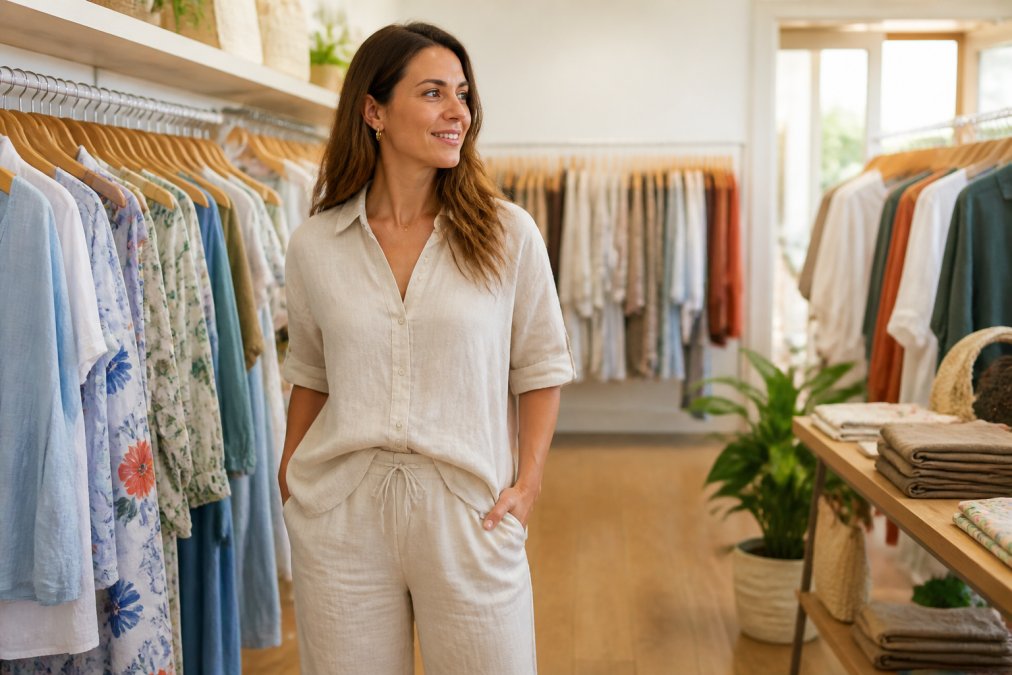
Linen pieces such as the Worthier Novie White Linen Pant ($99.95) show why the fibre earns its reputation: 100% linen, unlined, with a relaxed fit that lets air move. For a dressier option, the Adorne Karmine Linen Pants ($199.95) offer a pleated wide-leg silhouette in pure linen.


Styling Formal Wear for Tropical Events
Styling formal wear for tropical events comes down to three rules: choose natural fibres, keep the silhouette loose, and pick lighter colours that reflect heat rather than absorb it.
A one-shoulder linen top paired with tailored linen trousers reads as formal without overheating. The Adorne Frida One Shoulder Tie Linen Top ($35.00) is cut from 100% linen with an adjustable tie shoulder and elasticised back, so it moves with you through a long reception.

For evening events, silk and stretch velvet work if you are indoors with air conditioning. Outdoors, they will trap heat. Layering is your friend: a light linen jacket over a viscose dress gives structure without weight.
Accessories matter less than fit. A loose drape beats a tight one every time in humidity.
How to Care for Linen and Silk in Tropical Heat
Caring for linen and silk in tropical heat means washing gently, drying away from direct sun, and ironing while slightly damp. Humidity encourages mildew, so never leave damp pieces sitting in a laundry basket.
- Wash linen in cool water on a gentle cycle, or hand wash
- Skip the dryer; line dry in shade to prevent fading
- Iron linen while damp on a medium setting
- Hand wash silk in cool water with a mild detergent
- Dry silk flat, away from sunlight
- Store clean, fully dry pieces in a ventilated space
A common mistake is over-washing. Linen actually softens with each wash, but frequent hot washes break down the fibre faster. Spot-clean where you can.
UV Protection and Fabric Longevity in the Tropics
Most fabric guides stop at breathability. In this region, UV is the second force acting on your wardrobe, and it works differently from humidity. Humidity attacks comfort; UV attacks the fabric itself.
Ultraviolet radiation breaks the polymer chains that give a fibre its strength. In cellulosics like cotton, linen and viscose, this shows up as a gradual loss of tensile strength, seams start to pull, hems fray, and the cloth feels thinner. In synthetics like polyester and nylon, the same process causes yellowing and embrittlement. Dyes are also vulnerable: UV energy excites dye molecules until they break down, which is why a bright cotton shirt can look noticeably washed out after a single summer of line drying in full sun.
The industry measures this with UPF (Ultraviolet Protection Factor). A UPF of 50 means roughly 1/50th of UV radiation passes through, the equivalent of SPF 50 for skin. Standard summer-weight cotton typically rates around UPF 5-15, which is why a plain cotton shirt offers very little sun protection. Tightly woven, dark-coloured, or specifically treated fabrics can reach UPF 50+, but those same qualities often make them hotter to wear.
That is the core trade-off in this climate: the fabrics that resist UV best (dense weave, dark dye, synthetic blends) are usually the ones that trap heat. The fabrics that feel coolest (open weave, light colour, natural fibre) fade and weaken fastest.
A few practical rules follow from that:
- Dry in shade, not full sun. Line drying is still best for the fibre, but direct midday sun is what does the damage. A covered line or an under-eave drying rack roughly doubles the usable life of a linen or cotton garment.
- Rotate, don't repeat. Wearing the same two shirts every week concentrates UV exposure on those pieces. A wider rotation spreads the wear.
- Store out of light. UV continues to act on hanging garments. A closed wardrobe beats an open rail for anything you want to keep for years.
- Accept some fade in outdoor-only pieces. A linen shirt worn to outdoor events will fade. Treat that as a consumable, not a failure.
For outdoor events, a tighter weave and a mid-tone colour give the best balance: more UV resistance than a pale open weave, without the heat load of a dark dense fabric. Washing less often and drying in shade both slow the process considerably.
Sustainable and Local Fabric Choices
Sustainability in this climate is not just an ethical question, it is a durability question. A garment that survives five summers has a fraction of the footprint of one replaced every season, and the fibres that last longest here are the same ones that perform best.
Linen is the standout. Flax is grown with relatively little water and few pesticides compared with conventional cotton, and a well-made linen garment softens with age rather than degrading. Hemp behaves similarly, it is stronger than cotton, resists UV better than most natural fibres, and gets softer with washing. Both are worth seeking out if you want pieces that earn their place in the wardrobe.
Tencel (lyocell) is another option worth knowing. It is a cellulosic fibre made from wood pulp in a closed-loop process that recovers most of the solvent, and it drapes like viscose but holds up better when damp. For tops and dresses in humidity, it is a genuine alternative to standard viscose.
What to be sceptical of: "bamboo" fabric is often just viscose made from bamboo pulp, processed with the same harsh chemicals as any other viscose. The plant is fast-growing, but the fibre is not automatically sustainable. Check whether the label says lyocell or viscose, the word "bamboo" alone tells you nothing about the process.
Sourcing and Working With Fabric Locally
One advantage of buying in person is that you can assess a fabric before committing. A few things worth checking:
- Hold it to the light. An open weave that lets light through will breathe. A dense one will not.
- Scrunch it. Linen creases sharply and springs back with a characteristic stiffness. A "linen-look" polyester blend creases softly and feels slick.
- Check the selvedge and the fibre content tag. If the tag says "linen blend" without a percentage, assume the linen content is low.
For those who sew, humid conditions change how fabric behaves at the machine. Common issues and fixes:
- Tension problems. High humidity can make natural fibres swell slightly, altering how they feed through the machine. Test on an offcut before starting a seam.
- Fabric slippage. Silk, viscose and lining fabrics slide against each other in humid air. A walking foot or a strip of tissue paper under the seam helps.
- Pressing. Steam and humidity together can leave marks on linen. Press on the wrong side, use a pressing cloth, and let the piece cool flat before moving it.
- Pre-washing. Always pre-wash and pre-shrink natural fibres before cutting. Linen can shrink several percent on first wash, and a garment cut to exact measurements will not fit after the first launder.
If you are building a wardrobe for this climate, a personal styling session can save you from costly mistakes. You get expert guidance on what suits your body and lifestyle, and you can enjoy a coffee while you browse.
Frequently Asked Questions
What fabric is best for hot weather?
Linen is the top performer for hot weather because it breathes, wicks moisture and dries quickly. Cotton lawn and viscose also work well. Look for loose weaves and lighter colours. Avoid heavy synthetics like polyester and nylon, which trap heat and moisture against the skin. In North Queensland's humidity, natural fibres generally outperform synthetics for everyday comfort.
What are the most breathable fabrics for high-humidity climates?
Linen, cotton lawn, silk and viscose are the most breathable options for high humidity. Linen's hollow fibre structure allows air to move freely, while cotton lawn's fine weave keeps it light. Viscose drapes well and feels cool. Merino wool, despite being warm, can regulate temperature in humidity when used in lightweight knits. Avoid tightly woven synthetics and coated fabrics.
Why is natural fibre better than synthetic for hot climates?
Natural fibres like linen, cotton and silk absorb moisture and allow air to circulate, which helps regulate body temperature. Synthetics such as polyester and nylon are hydrophobic, meaning they repel moisture and can feel clammy. They also trap heat. In tropical humidity, natural fibres reduce stickiness and odour, making them more comfortable for extended wear.
How do I care for delicate tropical-weight fabrics?
Hand wash linen and silk in cool water with a gentle detergent, or use a delicate machine cycle. Avoid wringing; instead, roll in a towel to remove excess water. Dry flat in shade to prevent fading. Iron linen while damp on a medium setting, and silk on low. Store folded rather than hung to maintain shape. This keeps fabrics breathable and extends their life in humid conditions.
The challenge with dressing for this climate is that most fashion is designed for cooler places. Red Hill Collective solves that by curating linen-rich pieces built for real heat, from relaxed pants to event-ready tops, backed by personal styling that takes your lifestyle into account. Browse the latest arrivals or book a styling session and find pieces that actually work here.