

Table of Contents
- Step 1: Choose Your Styling Format and Book Online
- Step 2: Understand Personal Stylist Cost Per Hour
- Step 3: How to Prepare for a Styling Session
- Step 4: What Happens During Your Personal Styling Session
- Step 5: Virtual Wardrobe Audit and Remote Styling
- Step 6: Post-Session Maintenance and Wardrobe Planning
- Common Mistakes to Avoid When You Book a Personal Styling Session Online
- Frequently Asked Questions
Last Updated: September 13, 2026
Step 1: Choose Your Styling Format and Book Online
Booking a personal styling session online takes about five minutes when you know which format suits you. Red Hill Collective offers in-store appointments at the Eyre St boutique in North Ward. These begin with an online booking system.

The choice comes down to how you shop best.
In-Store vs Virtual Styling Options
In-store styling gives you the fitting room, the fabric between your fingers, and a stylist pulling pieces from the rack in real time. Virtual styling suits anyone who cannot easily get into town, or who wants a wardrobe review before committing to a trip.
| Format | Best For | Typical Duration | What You Need |
|---|---|---|---|
| In-store styling | Event wear, fit-critical pieces | 60-90 minutes | Appointment time |
| Virtual styling | Wardrobe audits, busy schedules | 45-60 minutes | Phone or laptop, stable connection |
Step 2: Understand Personal Stylist Cost Per Hour
Personal stylist cost per hour varies with session length and scope, so ask for the current rate card when you book rather than assuming a figure. Most boutiques structure pricing around the appointment itself rather than a strict hourly meter, which means the headline hourly rate can be misleading. A 90-minute session that includes a pre-prepared curated selection is not comparable to a 45-minute catch-up, even if the per-hour figure looks similar.
What typically drives the cost:
- Session length
- Whether the stylist prepares a curated selection in advance
- Follow-up support after the appointment
- Whether the fee is redeemable against purchases
How to Compare Styling Fees Without a Rate Card
When a boutique does not publish a rate card, ask three questions before you commit:
- Is the fee redeemable? Many stylists credit part or all of the session fee against a minimum spend. If a session costs $150 and $100 is redeemable on a $300 purchase, your effective cost is $50 plus the wardrobe pieces you actually wanted.
- What is included in the hour? Ask whether the clock starts at the consultation or at the first try-on. A session that includes 20 minutes of questionnaire review and goal-setting is doing real work before a single garment appears.
- Is there a minimum spend? Some in-store sessions are free on the condition you purchase above a threshold. That is not dishonest, but it changes the maths. If you were going to spend $400 anyway, a free session with a $400 minimum is better value than a $120 session with no minimum.
A complimentary consultation is common as a first step, letting you gauge fit before committing. Budget-conscious clients often start there, then book a longer session once they trust the stylist's read on their style profile.
Budget-Conscious Styling Strategies
Most styling content is written by retailers who want you to spend more, not less. An independent approach looks different:
- Bring a written budget and say it out loud. Stylists work within constraints constantly. A stylist who knows your ceiling is $500 will build a tighter, more coherent selection than one guessing at $1,500.
- Ask for a cost-per-wear calculation. A $200 jacket worn twice a week for two winters costs less per wear than a $60 trend piece worn three times. A good stylist will do this arithmetic with you.
- Split the session.
A common pattern is that the clients who spend least overall are the ones who pay for the diagnostic session first and the shopping session second, not the other way around.
Step 3: How to Prepare for a Styling Session
Knowing how to prepare for a styling session is the difference between a pleasant hour and a genuinely useful one. Preparation takes maybe twenty minutes at home and pays off immediately.
Complete Your Client Questionnaire
The client questionnaire is where your stylist learns your size range, lifestyle, climate needs, and budget. Answer it honestly, including the pieces you already own and never wear. That information shapes the curated selection before you arrive.
Gather Inspiration and Set Style Goals
Save three to five images of outfits you would actually wear. Not red-carpet looks, real ones. Note the events you are dressing for: a wedding, a work function, a milestone birthday. Clear style goals let your stylist skip the guesswork and focus on pieces that fit your actual life.
Step 4: What Happens During Your Personal Styling Session
A personal styling session follows a predictable arc: consultation, body shape assessment, colour analysis, then try-on or curated review. Your stylist starts by revisiting your questionnaire and confirming what you want from the appointment. That first ten minutes sets the tone, if you have written down three specific events you are dressing for, the session moves faster and lands better.
The Consultation: Goals Before Garments
Your stylist will ask what you want to walk away with. Not 'a new wardrobe' but something testable: a work capsule for a new office, an outfit for a spring wedding, a replacement for the jeans you have worn to death. Vague goals produce vague selections. Specific goals produce a shortlist you can actually evaluate.
This is also where budget gets named. A stylist who knows your ceiling builds a tighter, more coherent selection than one guessing.
Body Shape Assessment: What It Actually Involves
Body shape assessment is not about labelling you a 'pear' or an 'apple' and moving on. A working stylist looks at proportion, shoulder width relative to hip width, torso length relative to leg length, where your natural waist sits, and then uses that to explain why certain cuts work and others fight you.
In practice, this means your stylist will:
- Note where hems fall on your leg line and whether they shorten or lengthen you
- Check shoulder seams and whether they sit on the natural shoulder or drop
- Identify the waist position that flatters your proportions, which is not always your narrowest point
- Flag fabrics that hold structure versus those that drape, because the same silhouette in a different fabric behaves differently
This is where fashion expertise earns its keep. A stylist can tell you why a particular cut works on your frame when the same silhouette on the hanger tells you nothing.
Colour Analysis: Beyond the Seasonal Labels
Colour analysis traditionally sorts people into seasonal palettes, spring, summer, autumn, winter, based on undertone, contrast, and depth. Modern stylists often use a simplified version: they hold fabrics near your face in natural light and watch what happens to your skin tone, your under-eye shadows, and the whites of your eyes.
What you are looking for is not 'your colours' in the abstract but a working set of rules:
- Which neutrals read as warm versus cool against your skin
- Which accent colours lift your face rather than drain it
- Which colours are best kept away from your face but fine on your lower half
You do not need to memorise a palette. You need three or four colours you can buy with confidence and a sense of which ones to avoid near your face.
The Curated Selection: How It Gets Built
Then comes the curated selection. In store, pieces are waiting in a fitting room, pulled in your size range and pre-filtered against your goals, budget, and colour rules.
Expect honest feedback, including when something does not work. A stylist who tells you a dress is beautiful when it is not doing you any favours is not doing the job. The useful sentence is not 'that looks great' but 'that is the right colour and the wrong length, try the midi'.
A common pattern is that the pieces clients regret are the ones they were unsure about in the fitting room. If you have to talk yourself into it, leave it.
Step 5: Virtual Wardrobe Audit and Remote Styling
A virtual wardrobe audit is a structured review of what you already own, conducted over video, that identifies gaps and duplication before you buy anything new. It is the most underrated service in personal styling, and the one that saves the most money.
Before your session, pull out the pieces you wear most and the ones you never touch. Your stylist will sort them into keep, alter, and retire piles, then map what is missing. Many clients find they need three or four well-chosen pieces rather than a full wardrobe refresh.
Technical Requirements for Virtual Sessions
Remote styling needs less than most people expect:
- A phone, tablet, or laptop with a working camera
- A stable internet connection
- A well-lit space, ideally with natural light on your face
- A full-length mirror nearby for fit checks
- Your questionnaire completed before the call
Test your camera ten minutes early. It sounds trivial until you spend the first quarter of a session troubleshooting audio.
Step 6: Post-Session Maintenance and Wardrobe Planning
The work after the appointment matters as much as the session itself. Your stylist should send a summary: what you bought, what to pair it with, and what to consider next season.
Wardrobe planning turns a single session into a lasting result. A capsule wardrobe approach, where most pieces coordinate with each other, means fewer purchases and more outfits. Review your wardrobe each season rather than each year, and note what you actually wore.
For anyone building a wardrobe from scratch, a guide to capsule wardrobe principles can help frame the planning conversation before your next appointment.
Common Mistakes to Avoid When You Book a Personal Styling Session Online
The biggest mistake is treating the appointment as a shopping trip rather than a consultation. Clients who arrive with clear style goals leave with pieces they wear for years. Those who arrive without them often buy on impulse and regret it.
Other pitfalls worth sidestepping:
- Skipping the questionnaire, which forces your stylist to start from zero
- Choosing images of outfits that do not match your climate or lifestyle
- Booking a session too close to an event, leaving no time for alterations
- Ignoring the stylist's honest feedback in favour of what looked good online
What most guides miss is that fit beats trend every time. A well-fitted classic piece outperforms a trend piece that needs altering, and your stylist will tell you which is which.
For guidance on consumer rights around returns and refunds when shopping online, the ACCC's consumer guarantees guidance is the authoritative reference.
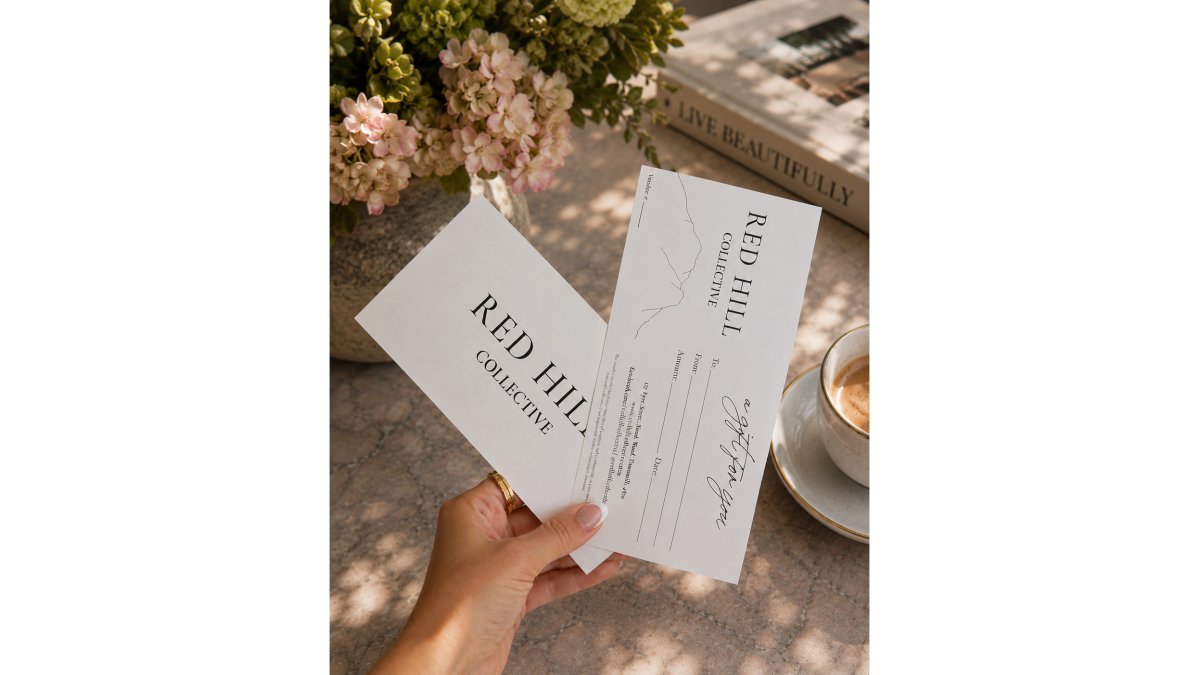
A styling session only delivers when the pieces behind it are worth wearing. Red Hill Collective pairs personalised styling with a curated selection of Australian and international labels, so the advice and the wardrobe come from the same place. Book a styling appointment, browse the latest arrivals, or pick up a Red Hill Collective Gift Voucher for someone whose style deserves a refresh. Get started with Red Hill Collective and build a wardrobe that works for the life you actually live.
Frequently Asked Questions
How much does a personal stylist cost per hour?
Costs vary by provider and service type. Some stylists charge an hourly rate, while others bundle a personal styling session into a package or offer a complimentary consultation before you commit. When you book a personal styling session online, the booking page usually lists the exact fee or deposit upfront. Ask whether the fee is redeemable against purchases, as many boutiques credit it back when you buy.
What should I expect during an online personal styling session?
Your stylist will review your client questionnaire, discuss your style goals and upcoming events, then guide you through a curated selection of pieces. Expect honest advice on colour analysis, body shape assessment, and outfit coordination rather than a hard sell.
How do I prepare for a virtual wardrobe consultation?
Start by completing any client questionnaire the boutique sends you. Knowing your style goals, budget, and upcoming events helps your stylist build a curated selection that actually works for your lifestyle.
Can a personal stylist help me shop for specific events?
Yes. Event styling is one of the most common reasons people book a personal styling session online. Share the date, dress code, venue, and climate with your stylist in advance. For a formal event, they can shortlist options that suit the occasion and the weather, arrange a fitting, and coordinate accessories such as a leather handbag or statement jewellery to complete the look.