

Table of Contents
- What Makes Designer Clothing an Investment Piece
- How to Spot Quality in Luxury Clothing
- The Cost-Per-Wear Formula for Designer Pieces
- Best Designer Brands for Capsule Wardrobes
- How to Clean Delicate Formal Dresses After Events
- Resale, Repair and the True Cost of Luxury Ownership
- Frequently Asked Questions
Last Updated: September 28, 2026
What Makes Designer Clothing an Investment Piece
A designer clothing investment piece is a garment chosen for longevity rather than novelty: it holds its shape, suits multiple occasions, and keeps its value through years of wear, which is the core idea behind this designer clothing investment pieces guide. This designer clothing investment pieces guide from Red Hill Collective sets out the criteria we use when assessing whether a piece earns its place in a wardrobe.
- Construction: French seams, matched patterns at the joins, and a lining that moves with the outer fabric
- Fabric: natural fibres with enough weight to drape and recover, not thin blends that pill after a season
- Versatility: the piece works with at least three existing outfits in your wardrobe
Timeless Design Versus Fast Trends
Trend-driven pieces date quickly, and their resale value falls with them. Timeless design relies on proportion and fabric rather than logos or seasonal detailing, which is why classic silhouettes hold their appeal across a decade rather than a season.
How to Spot Quality in Luxury Clothing
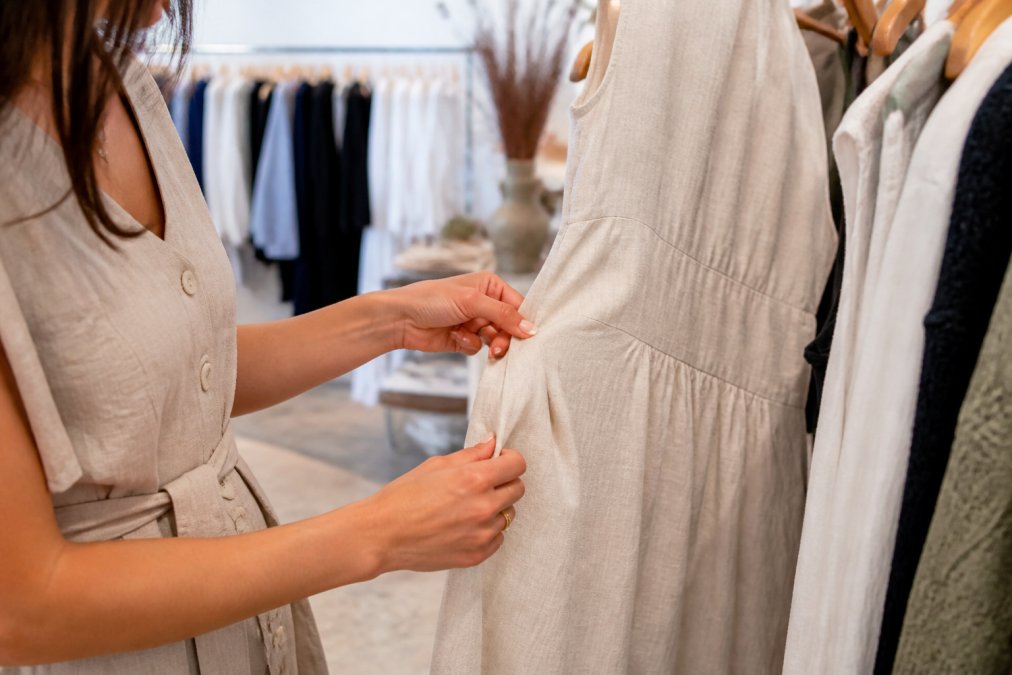
Quality in luxury clothing comes down to construction and material, not the label. Turn the garment inside out before you buy and examine how it was put together.
Materials and Construction Checks
Run through this checklist in the fitting room:
- Seams are finished, not raw or fraying
- Buttons are securely attached and sit flat
- Pattern matches across visible seams
- Fabric recovers when gently stretched
- Lining is attached independently, not glued
- Care label lists a fibre you recognise
A common mistake is judging by feel alone. Softness can be engineered into a cheap blend. Structure cannot.
The Cost-Per-Wear Formula for Designer Pieces
Cost per wear is the purchase price divided by the number of times you expect to wear the item. It reframes a higher upfront price against how often the piece actually leaves your wardrobe.
| Piece | Price | Wears | Cost Per Wear |
|---|---|---|---|
| Linen maxi dress | $199.95 | 40 | ~$5.00 |
| Linen shirt | $139.95 | 50 | ~$2.80 |
| Occasion dress | $199.95 | 8 | ~$25.00 |
Best Designer Brands for Capsule Wardrobes
The best designer brands for capsule wardrobes are those that repeat core shapes season after season in durable natural fabrics. Consistency matters more than prestige, because a capsule wardrobe depends on pieces that coordinate with what you already own.
- Shape continuity: the same shirt, trouser or dress silhouette reappears across multiple seasons, often in new colourways rather than new cuts
- Fibre transparency: the care label and product page name the fibre and its origin, not just a marketing term like "premium blend"
- Spare parts: buttons, threads and sometimes fabric swatches are supplied with the garment, which signals the brand expects it to be repaired rather than replaced
- Repair and alteration support: in-house mending, free hem adjustments or a recommended tailor network
Styling One Piece Five Ways
This is where most investment guides stop, and where the real return is earned. A piece only becomes an investment once it is worn often, so test versatility before you buy. Take a single garment, say a relaxed linen shirt, and map five distinct outfits:
- Tucked into tailored trousers with a belt for a workwear setting
- Open over a slip dress as a light layer for warm evenings
- Knotted at the waist over a midi skirt for a casual weekend look
- Buttoned to the top under a blazer as a substitute for a blouse
- Worn loose over swimwear as a beach cover-up
- The Eb + Eve Cove Maxi Dress in Indigo in 100% linen with a relaxed A-line silhouette
- The Eb + Eve Maris Shirt in White, a 100% linen staple that layers or stands alone
- The Re:Union New White Linen Relaxed Top with a flattering V neckline
How to Clean Delicate Formal Dresses After Events
How to clean delicate formal dresses after events starts with reading the care label and acting quickly. Most damage comes from delay, not from cleaning itself. But cleaning is only one line in the true cost of owning a formal piece, the bigger question is what ongoing care and repair will cost you over the garment's life.


Immediate Aftercare Steps
Follow these steps the night of the event:
- Check the care label before doing anything, including spot treatments
- Air the garment for a few hours to release odour and light moisture
- Blot stains immediately with a clean white cloth, working from the outside in
- Spot test any product on an inside hem before applying it elsewhere
- Hand wash cool if the label permits, using a gentle detergent
- Dry flat in shade, reshaping while damp, never on a radiator
- Steam rather than iron delicate fibres to avoid shine and scorching
For structured or heavily embellished pieces, professional cleaning is the safer route. Linen handles gentle hand washing well, but beading and delicate trims often do not.
Eb + Eve Cove Maxi Dress in Indigo →
The Hidden Costs of Ownership
The purchase price is only the entry fee. Over a five-year life, a formal or investment garment typically attracts three categories of ongoing cost, and budgeting for them upfront is what separates a considered purchase from an expensive mistake.
- Professional cleaning: structured jackets, silk gowns and beaded pieces usually need specialist dry cleaning after each wear. Expect this to recur two to four times a year for occasion wear.
- Leather and suede conditioning: bags, belts and leather trims need conditioning every few months to stop drying and cracking, especially in dry indoor heating.
- Hardware and structural repair: zip replacements, button re-covering, seam re-stitching and lining replacement are the most common repairs. A good tailor can usually complete these for a fraction of the cost of a replacement garment.
Repair Versus Replace
Before discarding anything, get a quote. Re-stitching a seam, replacing a lining or reattaching hardware is almost always cheaper than buying new, and it preserves the fit you already know works. Keep the original tags, receipts and spare buttons in a small labelled box, they make both repairs and resale easier, and they prove provenance if you ever sell the piece on.
Resale, Repair and the True Cost of Luxury Ownership
The true cost of luxury ownership includes maintenance and repair, not just the purchase price. Resale value, repair costs, and care expenses all shape what a piece actually costs you over its life.
Frequently Asked Questions
What defines a designer investment piece?
A designer investment piece combines quality craftsmanship, premium materials and a timeless design that stays wearable for years. Look for natural fibres like linen or wool, reinforced stitching and classic silhouettes rather than trend-driven cuts. The real test is cost-per-wear: if a $200 dress is worn 40 times, that is $5 per wear, which often beats a $60 fast-fashion dress worn three times.
How do I identify high-quality fabrics in designer clothing?
Start by checking the fibre content on the care label. Natural fibres such as linen, wool, silk and cotton generally age better than synthetic blends. Feel the weight and drape, hold it to the light to check weave density, and look for consistent colour. With how to spot quality in luxury clothing, the seams matter too: neat, tight stitching and matched patterns at the joins signal careful construction.
Do designer clothes actually appreciate in value?
Most designer clothing depreciates after purchase, but a small number of heritage pieces from sought-after labels can hold or increase value on the pre-owned luxury market. Factors include limited production, iconic designs and excellent condition. Treat resale value as a bonus rather than the main reason to buy. The stronger financial case for designer investment pieces is cost-per-wear and fashion longevity, not speculation.
How can I build a capsule wardrobe with designer investment pieces?
Choose a neutral colour palette and prioritise wardrobe staples you will wear weekly: tailored outerwear, a quality dress, a versatile shirt and well-made footwear. When selecting the best designer brands for capsule wardrobes, favour labels known for consistent sizing and material durability. A curated collection of 20 to 30 pieces that mix easily will outperform a larger wardrobe of one-off trend items.
How should I care for my designer investment pieces to maintain their value?
Follow the care label exactly, and treat how to clean delicate formal dresses after events as a priority: air the garment, spot-clean marks promptly and choose professional dry cleaning for structured or embellished pieces. Store items on padded hangers in breathable cotton bags, keep them out of direct sunlight, and repair loose seams or buttons early. Good maintenance protects both resale value and how long the piece lasts.
Is buying pre-owned luxury a smart alternative to new designer pieces?
Pre-owned luxury can be excellent value, especially for classic silhouettes and heritage pieces that are no longer in production. You avoid the steepest depreciation, which typically happens in the first season. Check authenticity carefully, ask for detailed photos of wear points, and factor in any repair costs. For everyday staples, buying new from a boutique with styling advice often works better for fit and aftercare support.
Building a wardrobe of genuine investment pieces takes patience, and the payoff is a collection that works harder every year. Red Hill Collective makes that easier with a curated selection of Australian and international labels, personal styling services to help you assess fit and versatility, and a boutique and café experience on Eyre St in North Ward where you can take your time. Get started with Red Hill Collective and build a wardrobe you will still be wearing in a decade.